Safety
We're committed to providing safe and reliable natural gas.
Because natural gas is colorless and odorless, we've added a chemical odorant called mercaptan that makes natural gas smell like rotten eggs. This distinctive scent allows you to smell potential leaks quickly and take steps to stay safe. If you smell that stench in the air, make sure you do the following:

for discolored vegetation, blowing dirt or continued bubbling water in the area of a buried gas line.

for a hissing or roaring noise near a natural gas appliance or line.

for the distinctive “rotten egg” odor of natural gas.

the area immediately, warning others in the area as you leave. Keep everyone away from the area until emergency assistance arrives.

touching anything that may cause a spark. This includes lighters, matches, cigarettes, flashlights, light switches and telephones.
Wait until you are a safe distance away before using your cell phone. Once you are out of the area of the suspected leak and in a safe place, Call 911, then: Call Virginia Natural Gas at 877.572.3342. Stay away until emergency personnel indicate it is safe to return.
Note: “Odorant fade,” while uncommon, occurs when a physical or chemical process reduces the level of odorant. This can happen in both existing natural gas pipelines and new installations. Additionally, some individuals may not be able to detect the odorant because they have a diminished sense of smell or because the scent is being masked by other odors in the area. The odorant might also diminish so that it is not detectable. Some gas lines, due to their unique function, may not have odor at all.
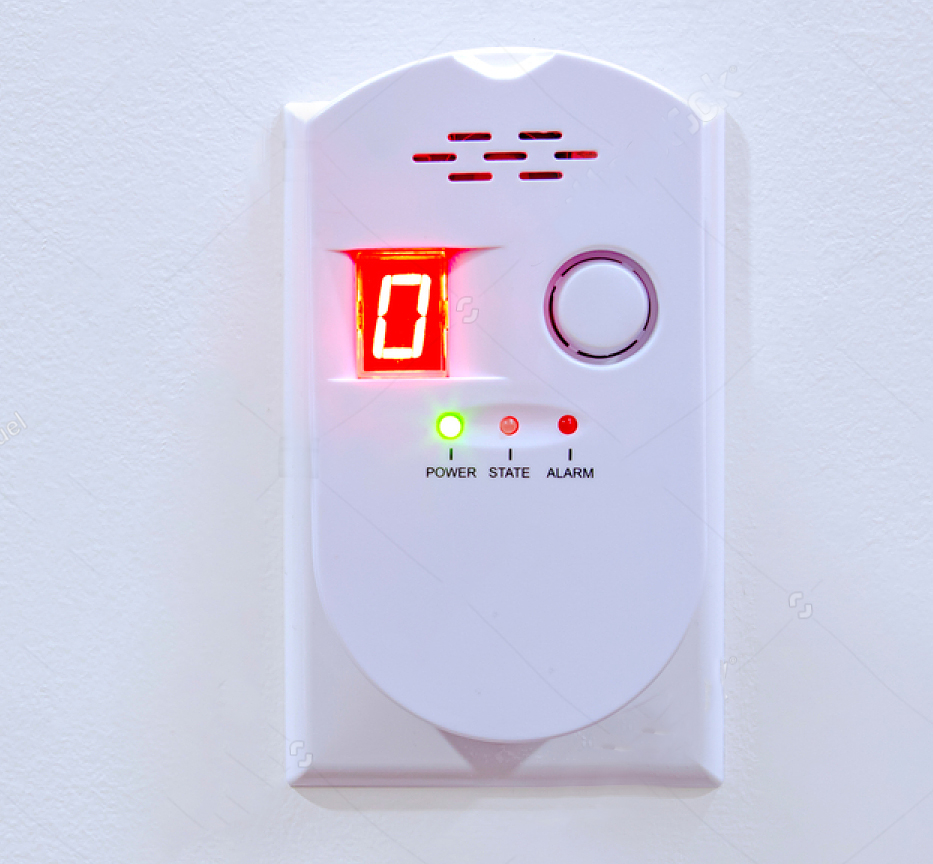
Natural gas detectors may be installed by homeowners for an additional safeguard to detect leaks.
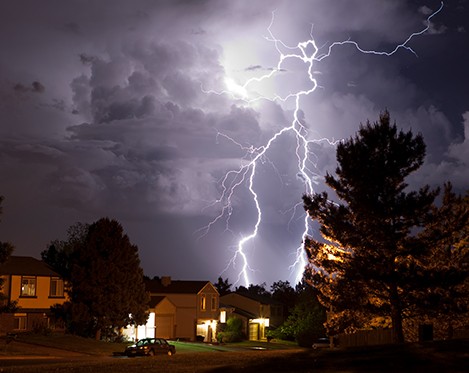
Find out what to do to prevent interruption of service in case of severe weather.
Stay Safe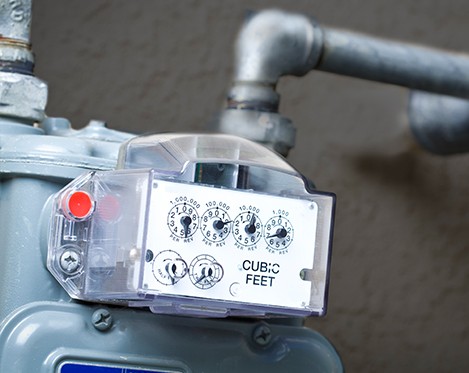
Keep your natural gas appliances and/or equipment in good working condition by following these safety tips.
See TipsBecause safety is our No. 1 value, our training, operational standards and monitoring procedures meet or exceed all state and federal regulations. We conduct extensive quality control checks, visual inspections, routine maintenance and leak surveys of ourpipeline system, including the meter located on your property.
Information about transmission pipelines operating in your community is availablethrough the National Pipeline Mapping System (NPMS) and online at www.npms.phmsa.dot.gov.
Even though natural gas pipeline incidents are uncommon, you can help prevent emergencies by knowing the signs of a potential problem. Anytime you suspect a leak, leave the area immediately and call us at <PHONE>.
CSST is a flexible stainless steel pipe used to supply natural gas and propane to appliances and equipment. Coated with yellow or black exterior plastic, CSST is usually mounted alongside floor joists, inside wall cavities or on top of ceiling joists and attic spaces. Proper bonding and grounding significantly reduce the risk of electrocution or damage and fire from a lightning strike.
While Virginia Natural Gas does not use CSST in our work and maintenance, it may have been used during your gas equipment installation. If you suspect you have CSST at your home or business, have a certified professional perform an evaluation, as a bonding device may need to be installed to reduce chances of damage, fire and injury.
Virginia Natural Gas terms of service, schedules of rates and charges, and rules and regulations are on file as a tariff with the Virginia State Corporation Commission.
Hire a qualified specialist to inspect your furnace to ensure all controls and emergency shutoffs are in good working condition. Do not attempt repairs yourself unless you are qualified.
Moving or tampering with a meter or regulator can cause a potentially hazardous natural gas leak. Call Virginia Natural Gas at 1.866.229.3578 to have a qualified service representative perform any work needed on our equipment.
Never try to find a leak yourself. If you suspect a leak, exercise caution. Natural gas is colorless and odorless, so we add a chemical odorant called mercaptan, which has a distinctive, “rotten egg” type odor.
Note: “Odorant fade,” while uncommon, occurs when a physical or chemical process reduces the level of odorant. This can happen in both existing natural gas pipelines and new installations. Additionally, some individuals may not be able to detect the odorant because they have a diminished sense of smell or because the scent is being masked by other odors in the area. The odorant might also diminish so that it is not detectable. Some gas lines, due to their unique function, may not have odor at all.
Do not try to identify the source or stop the leak yourself.
Leave the area immediately, and move a safe distance away from the potential leak, while avoiding any action that may cause sparks.
Avoid using any sources of ignition, such as cell phones, cigarettes, matches, flashlights, electronic devices, motorized vehicles, light switches or landlines, as natural gas can ignite from a spark or open flame, possibly causing a fire or explosion. While natural gas is non-toxic and lighter than air, in confined spaces it can displace oxygen and in severe cases, if not used properly, can lead to asphyxiation.
Call us at 1.877.572.3342 or dial 911 once you are safely away from the leak area. Stay away until Virginia Natural Gas or emergency personnel indicate it is safe to return.
You already know to contact 811 before you dig, but do you know what to do if someone hits a natural gas line while digging or excavating?
If you are aware that a natural gas line has been hit or you:
LOOK for blowing dirt, discolored vegetation or continued bubbling in standing water.
LISTEN for a hissing or roaring noise of natural gas escaping near an appliance or line.
SMELL for the distinctive, rotten-egg odor associated with natural gas. Natural gas is colorless and odorless, so we add a chemical odorant called mercaptan for easy detection. This odorant has a distinctive “rotten egg” type odor. If you detect even a small amount of this odor, act immediately.
Many utilities are installed using “trenchless” or “directional” drilling because it limits above ground disruptions. On rare occasions, a natural gas line installed using trenchless technology can accidentally intersect with an existing sewer line, creating what’s called a “cross bore.” Cleaning sewers with mechanical devices can damage intersecting natural gas lines and release natural gas, causing unsafe conditions. Before you or your plumber start any sewer work, ACT to do your part to keep yourself and your community safe.
Pipeline security depends on all of us. If you see any of the following related to pipeline facilities, please call 1.877.572.3342.
See something, say something.
A pipeline right of way is a defined piece of land where pipelines are installed above or below ground. They can be identified by a wide, cleared strip of land with pipeline markers. If a pipeline right of way is adjacent to your property, you have a responsibility to ensure no new installations, or physical structures are placed in the right of way. These encroachments interfere with our ability to monitor and maintain safe pipelines, as required by federal and state safety regulations. If you have a question about activity which might affect the pipeline right of way, please contact Chattanooga Gas at 866.643.4168.
Remember, pipeline markers, like the example pictured, indicate the general area of the pipeline and not the exact location or depth.
Pipeline markers may not be present in all areas.
Information about transmission pipelines operating in your community is available through the National Pipeline Mapping System (NPMS) and available online at npms.phmsa.dot.gov.
Pipeline integrity management is a process for assessing and mitigating pipeline risks to reduce both the likelihood and consequences of incidents. We have a comprehensive plan that fully addresses these processes, especially for locations deemed high-consequence areas.
To learn more, visit virginianaturalgas.com/integritymanagementplan
If you suspect a leak, exercise caution. Call us at 1.877.572.3342 or dial 911 once you are safely away from the leak area. Stay away until Virginia Natural Gas or emergency personnel indicate it is safe to return.
For more information about natural gas safety, please visit virginianaturalgas.com/safety or call 1.866.229.3578.
Thank you for your assistance in keeping our community safe!
Safety, you play a part! Underground pipelines safely transport natural gas to homes and businesses throughout the country. Chattanooga Gas operates, secures and maintains the pipelines in our service territories. We adhere to state and federal pipeline safety regulations, perform extensive quality control checks, educate the public on how to recognize and prevent natural gas leaks, and work closely with officials to develop emergency response plans.
Excavation work, including digging or plowing around a home or business, is the most common cause of natural gas emergencies. Before digging, state law requires you contact 811 to have your utility lines professionally marked for free. After calling, you must wait the required amount of time before digging, so that underground utility lines can be located and marked.